
The Bright Line Standard
Founder-driven legal and governance commentary that identifies nonprofit governance fault lines, clarifies fiduciary boundaries and authority limits, and helps leaders recognize risks before they escalate.

What the Record Shows: The Governance Risks Hidden in Informal Communication
Informal texts, emails, and side conversations can feel harmless, but they can create serious governance risk when they begin doing the work that should happen through formal board deliberation. In this article, our founder explains how casual communications can later become evidence about whether a board acted collectively, exercised meaningful judgment, and followed a defensible decision-making process.
The article draws a clear distinction between communication that prepares directors to govern and communication that begins replacing governance itself. It encourages boards to keep substantive deliberation within authorized meetings and processes, use written channels carefully, and build a record the organization can explain and defend if its decisions are ever questioned.
Read the full article on Substack and subscribe to The Bright Line Standard to receive new articles directly in your inbox.

You Can’t Manage Risk You Don’t See
Nonprofit leaders often have to make fast decisions under real pressure, especially when resources are thin and opportunities move quickly. In this article, our founder explains why moving outside established governance structure can only be called risk management when leaders actually understand the rules, authority, and process they are choosing to depart from.
The article distinguishes deliberate risk-taking from simple exposure and shows how weak or outdated governance systems can normalize improvisation until it starts to feel like strategy. The central lesson is that leaders cannot manage risk they cannot see, and strong stewardship begins with making authority and decision-making structures clear enough to guide action when pressure is high.
Read the full article on Substack and subscribe to The Bright Line Standard to receive new articles directly in your inbox.

Bylaws Are More Than What You Think They Are
Nonprofit bylaws are often treated as documents to file away until a conflict, challenged vote, or leadership dispute forces someone to ask what they actually say. In this article, our founder explains why that approach creates hidden governance risk and why bylaws should function as a working blueprint for how authority is exercised and decisions are made.
The article introduces the concept of “living bylaws” and outlines seven principles for keeping them accessible, aligned with real practice, connected to mission and accountability, usable during leadership transitions, and strong enough to guide conflict and decision-making when authority is tested.
Read the full article on Substack and subscribe to The Bright Line Standard to receive new articles directly in your inbox.

Leaving the Legal Desert: Designing Legal Infrastructure for Nonprofits
Small and mid-sized nonprofits are often expected to meet complex legal and regulatory obligations without steady access to nonprofit-informed legal guidance. In this article, our founder moves from identifying that structural gap to exploring what it would take to build stronger legal infrastructure around the organizations carrying those responsibilities.
The article outlines seven ways to expand preventive legal support, including reframing legal infrastructure as stewardship, reducing cost uncertainty, strengthening legal literacy, expanding nonprofit-informed legal capacity, improving regulatory support, using technology thoughtfully, and creating structured spaces for governance dialogue. Together, these approaches offer a path toward making legal understanding and prevention part of ordinary nonprofit leadership rather than something organizations reach for only after a problem has escalated.
Read the full article on Substack and subscribe to The Bright Line Standard to receive new articles directly in your inbox.

Is the Legal Industry Failing the Nonprofit Sector?
Small and mid-sized nonprofits often face serious legal obligations without consistent access to affordable, preventive legal guidance. In this article, our founder examines why that gap leaves organizations operating reactively, with risk accumulating through ordinary decisions until a problem becomes too urgent or expensive to ignore.
The article argues that the problem is not lawyer indifference, but a system that discourages nonprofits from investing in legal support before a crisis. It explores how funder expectations, overhead stigma, fragmented legal access, and limited legal literacy combine to create a “legal desert” and asks what it would take to treat legal infrastructure as mission protection rather than a discretionary expense.
Read the full article on Substack and subscribe to The Bright Line Standard to receive new articles directly in your inbox.
When Fear Becomes the Governing Force
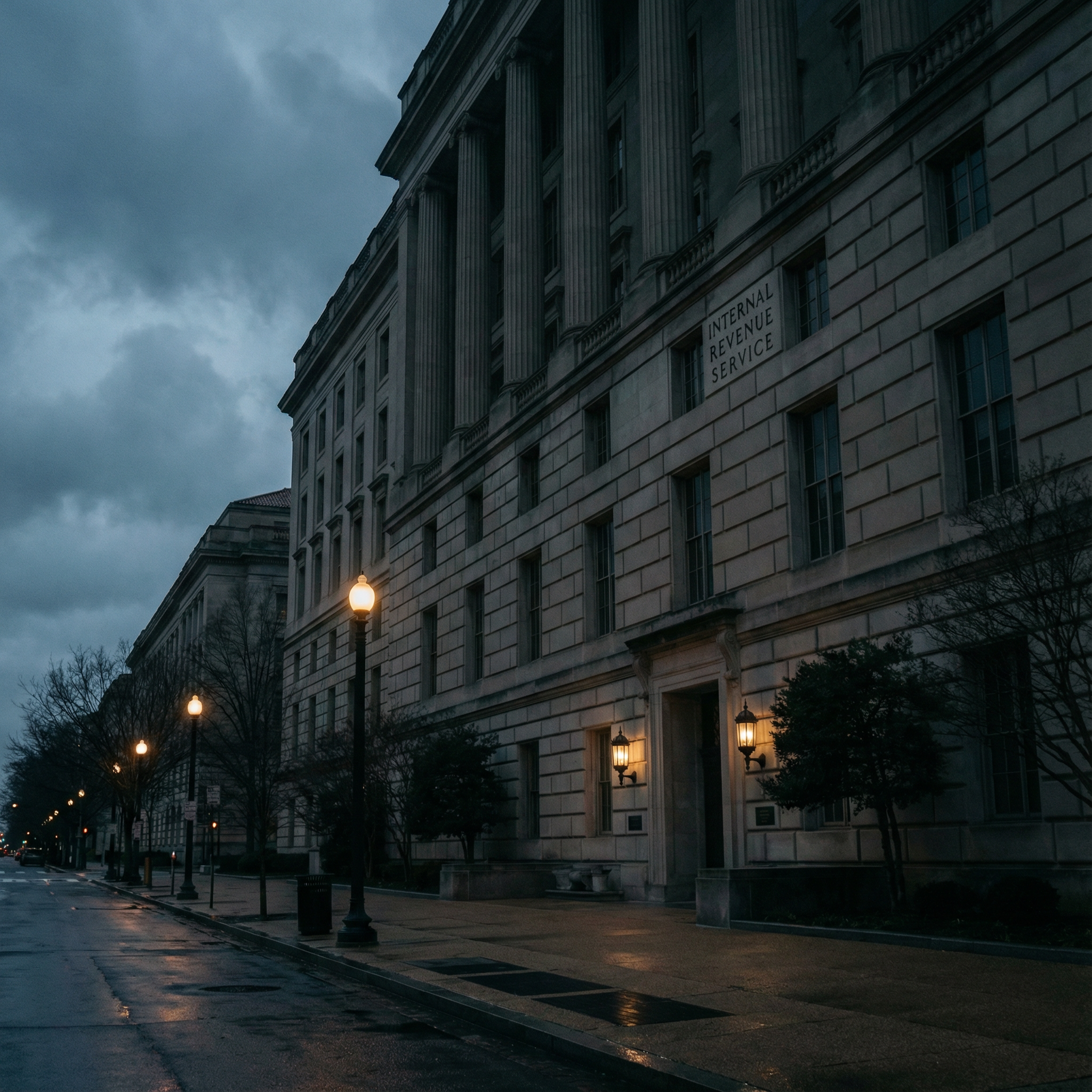
Nonprofit leaders are making difficult decisions in an environment where political pressure, regulatory uncertainty, and public scrutiny can make even lawful mission activity feel risky. In this article, our founder explains why fear should not become a substitute for legal analysis and why nonprofit leaders need to distinguish actual legal restrictions from ideological pressure or intimidation.
The article clarifies the boundaries around advocacy, lobbying, political campaign intervention, and lawful mission expression, while offering practical questions and preparedness steps that help boards govern from clarity rather than anxiety. The central message is simple: strategic restraint may sometimes be appropriate, but fear-driven retreat is not the same as responsible governance.
Read the full article on Substack and subscribe to The Bright Line Standard to receive new articles directly in your inbox.

Downsizing with Care: Ethical Layoffs in Nonprofits When Harm Is Unavoidable
Layoffs may sometimes be unavoidable, but the way a nonprofit makes and carries out those decisions still reflects its governance and stewardship. In this article, our founder explains why significant workforce reductions cannot be treated as an HR exercise alone when they reshape mission delivery, organizational capacity, or institutional risk.
The article identifies four elements of ethical nonprofit downsizing: shared governance, disciplined decision-making, transparency without defensiveness, and leadership presence after the cut. It also explains how boards and executives can fulfill their distinct responsibilities, use objective criteria, communicate difficult decisions clearly, and protect trust even when no available option is painless.
Read the full article on Substack and subscribe to The Bright Line Standard to receive new articles directly in your inbox.

Should You Tap the Operating Reserves?
Operating reserves can provide essential stability when a nonprofit faces financial strain, but they only work when leaders understand what the funds are for and who has authority to use them. In this article, our founder explains how unclear reserve practices can create avoidable governance risk and why boards need shared definitions, clear policies, and a disciplined decision-making process before a crisis hits.
The article offers a practical framework for deciding when a reserve draw may be appropriate, including whether the strain is temporary or structural, whether mission continuity is at risk, whether alternatives have been considered, and whether there is a realistic path to replenishment. It also connects reserve decisions to the board’s fiduciary duties of care, loyalty, and obedience, showing how financial stewardship becomes governance in practice.
Read the full article on Substack and subscribe to The Bright Line Standard to receive new articles directly in your inbox.

Is Your Governance Structure Built for Hard Times?
Nonprofits are facing overlapping financial, legal, leadership, and reputational pressures that can expose weaknesses in governance systems that once seemed manageable. In this article, our founder explains why hard times do not create every governance problem, but they often reveal the structures, assumptions, and practices that were already too fragile for the conditions organizations now face.
The article offers a practical three-phase approach for strengthening governance under pressure: stabilize urgent risks, clarify authority and decision-making, and rebuild the systems that prevent the same problems from returning. The central message is that resilience does not come from avoiding crisis. It comes from building governance structures capable of helping leaders make difficult decisions with clarity, accountability, and sound judgment.
Read the full article on Substack and subscribe to The Bright Line Standard to receive new articles directly in your inbox.

So, What Is Nonprofit Governance, Anyway?
Nonprofit leaders often agree that strong governance matters without necessarily agreeing on what governance actually means. In this article, our founder explains governance as a stewardship framework that helps a board direct the organization, fulfill its legal duties, and remain accountable to mission and public trust.
The article introduces ten interconnected components of that framework, from governing documents, board roles, and delegated authority to fiduciary duties, oversight, risk management, ethics, compliance, and organizational resources. Together, they show governance not as a collection of rules, but as a living system that helps nonprofit leaders exercise authority with clarity, responsibility, and care.
Read the full article on Substack and subscribe to The Bright Line Standard to receive new articles directly in your inbox.

The Bright Line Standard: Where Law Becomes Stewardship
Nonprofit leaders are navigating growing uncertainty, limited resources, and increasingly complex legal and governance responsibilities. In this introduction to The Bright Line Standard, our founder explains why understanding nonprofit law should be about more than following rules or avoiding mistakes.
The article introduces a different way to think about governance and legal compliance: as acts of stewardship. When leaders understand the responsibilities beneath the rules, they are better equipped to recognize risks earlier, make thoughtful decisions, protect organizational integrity, and keep their missions moving forward.
Read the full article on Substack and subscribe to The Bright Line Standard to receive new articles directly in your inbox.